

Crown ownership of minerals
Legislative principle: In Australia, minerals — including gold — are generally owned by the Crown (State Government), not the landowner. Exploration, fossicking or commercial mining requires the correct government-issued title for the relevant state or territory.
Onshore gold and mineral resources are regulated under separate Mining Acts in each state and territory. There is no single national onshore mining Act. The Commonwealth regulates offshore minerals, Native Title (Native Title Act 1993) and certain environmental matters.
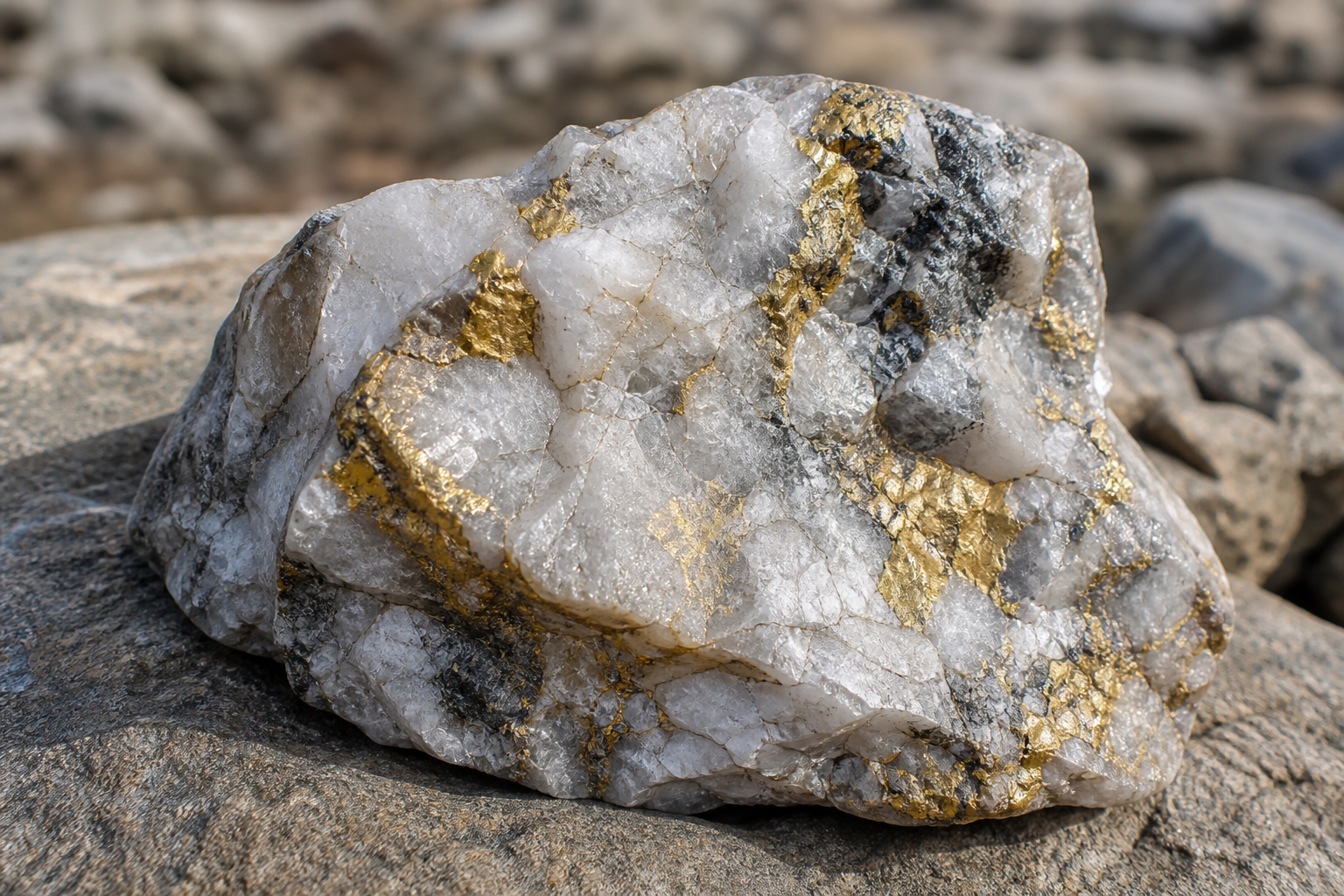
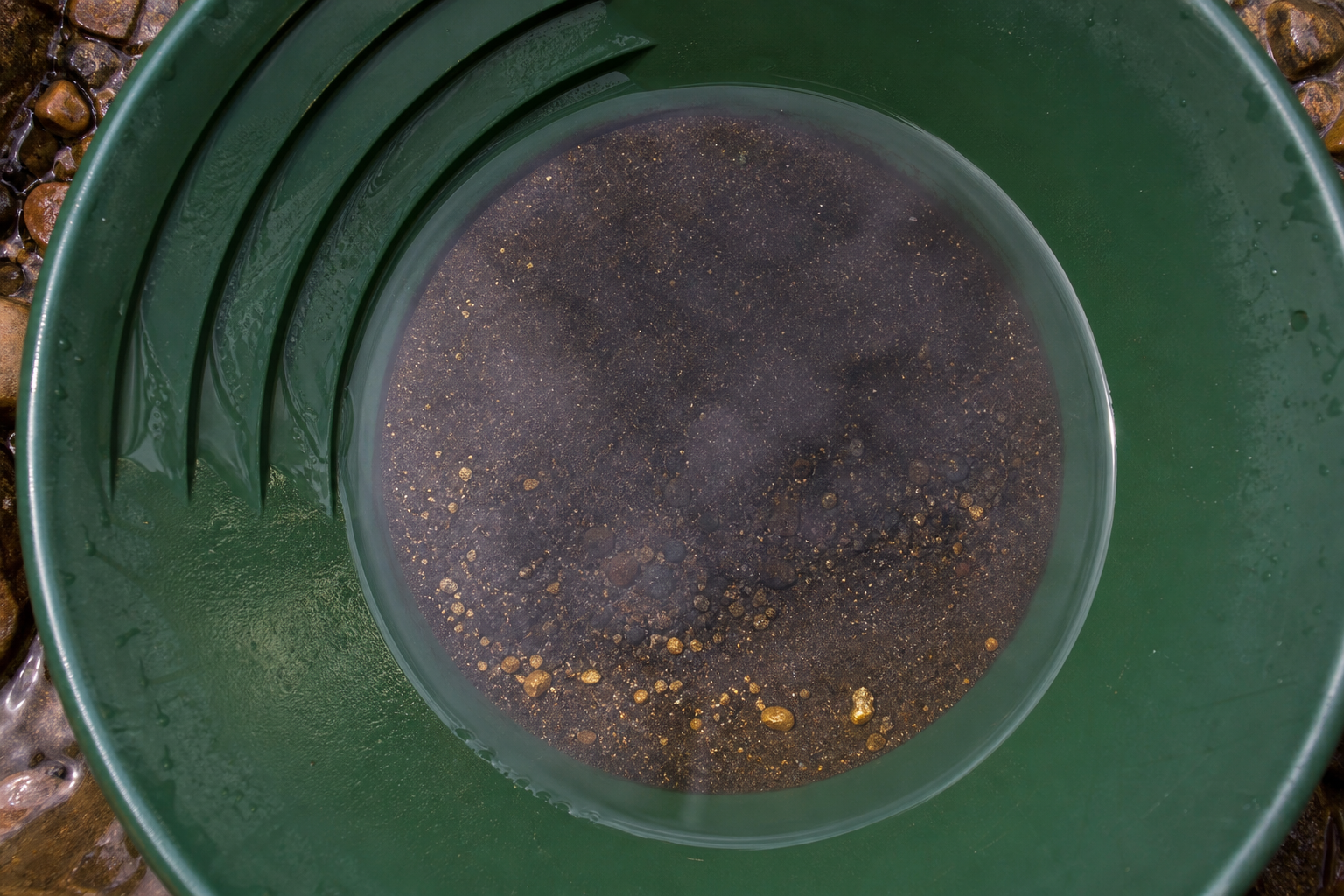
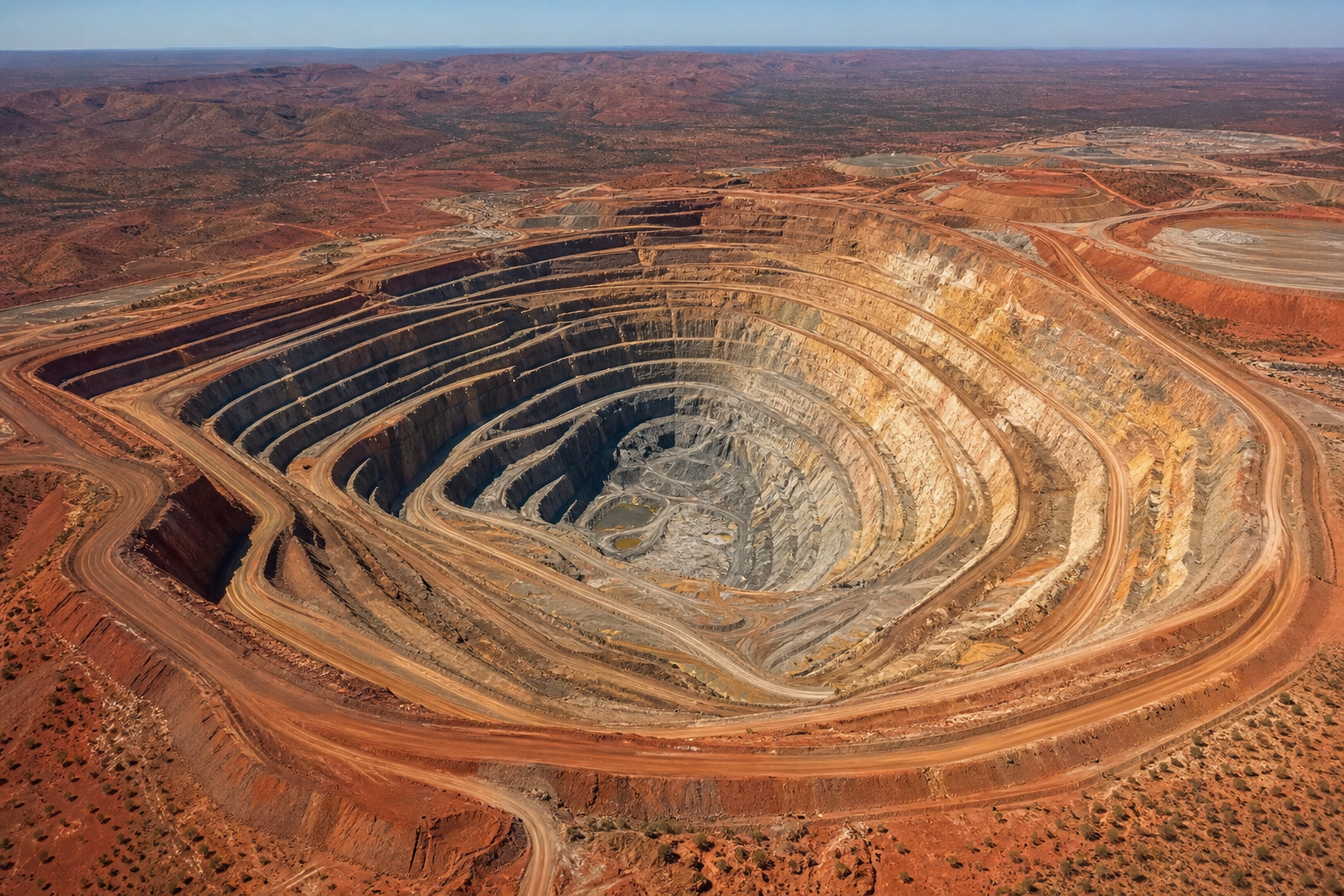
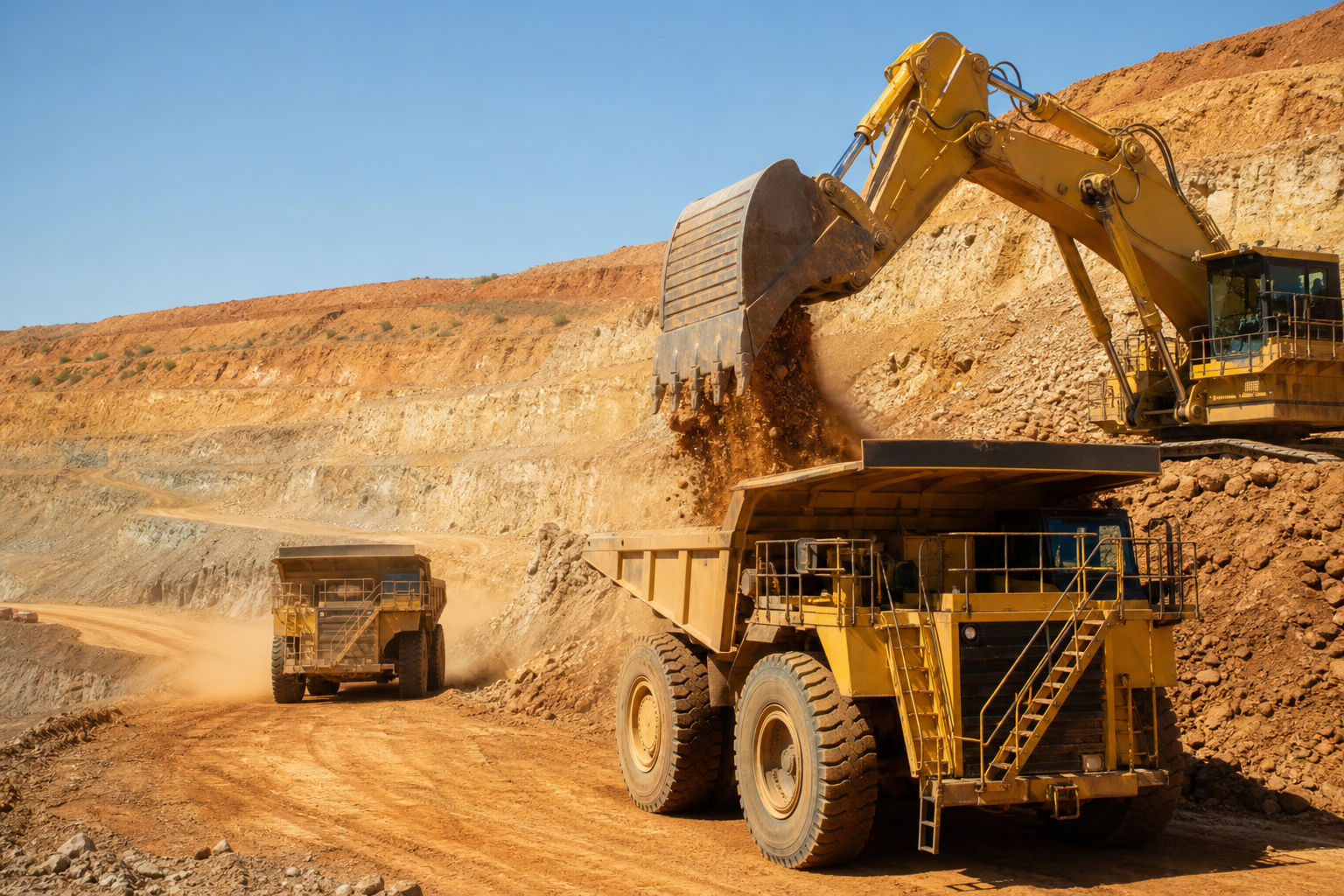
Gold and mining operations — reference photographs
The following images illustrate the types of gold and mining activity governed by Australian mineral tenure legislation. All photographs are stored locally as part of this publication.


Regulatory framework
| Jurisdiction | Responsibility |
|---|---|
| States and territories | Onshore exploration licences, mining leases, fossicking permits, royalty collection and rehabilitation bonds |
| Commonwealth | Offshore minerals, Native Title Act 1993 (Cwlth), Environment Protection and Biodiversity Conservation Act 1999 |
| Local government | Land use planning and development approvals |
State and territory mining legislation
Principal Acts governing gold and mineral tenure in each jurisdiction:
Operational pathways
| Activity | Title required | Key restrictions |
|---|---|---|
| Recreational fossicking | Miner's Right (VIC, WA); Fossicking Licence (QLD); NSW State forest permit where applicable | Hand tools only; landowner consent on private land; protected areas excluded |
| Commercial gold mining | Exploration Licence → Mining Lease (typically 21 years) | Native Title process; environmental approval; royalty payment; rehabilitation bond |